

If you have spent any time around casino floors or loyalty dashboards, you know the difference between a flashy screen and one that actually respects a player’s time. The same mindset applies when you learn how to play video poker. I have spent over eleven years in gaming CRM work at VGW, building segmentation and lifecycle campaigns across loyalty and lifecycle strategy, so I recognise when a product is designed for genuine retention rather than a quick spin. For an Australian player, the game rewards patience and clear rules more than luck alone, and that is exactly why it deserves a proper look before you put money in.
Getting to Grips with the Hands and Paylines

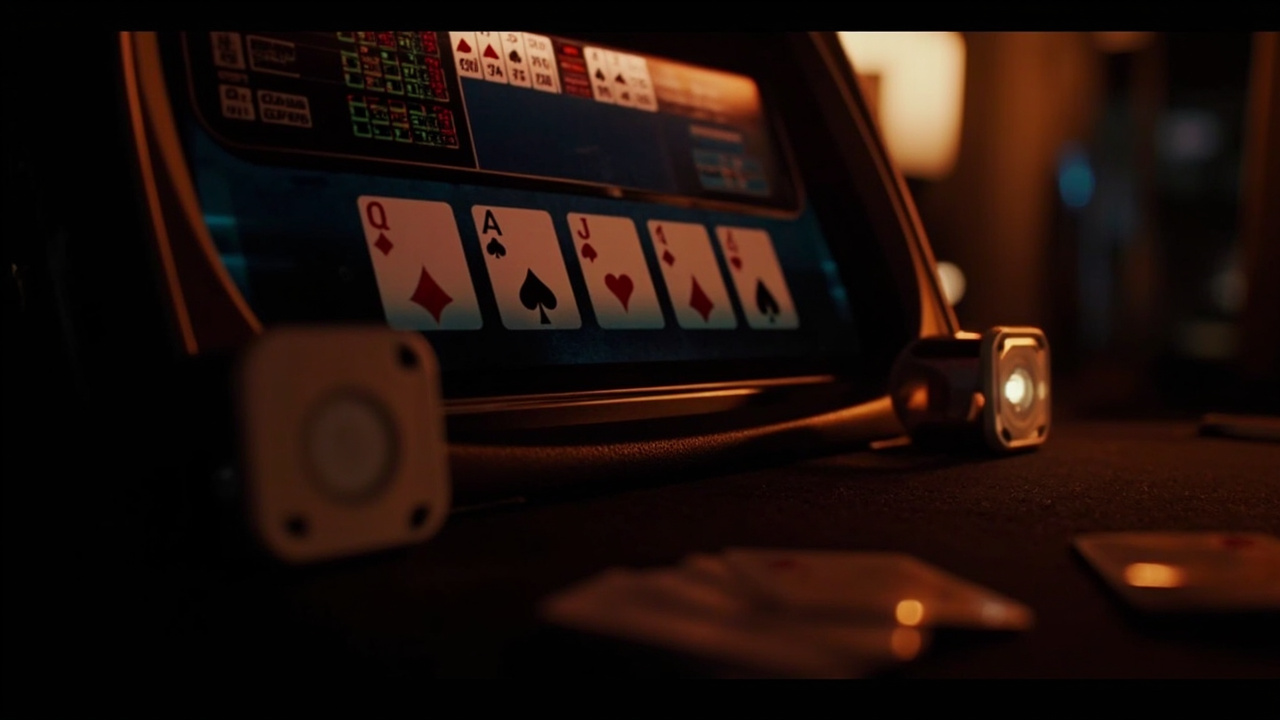
Video poker strips away the noise and asks you to match five cards against a published paytable. You start by setting your credit value and bet per line, then draw your first hand. After the initial deal, you decide which cards to hold and which to discard; the machine replaces the discards and pays out according to the final combination. The most common variants, like Jacks or Better, reward you for pairs of jacks or higher, while full houses and flushes sit higher up the ladder. A solid starting point is to study the paytable on the screen before you play, because a small change in payout structure can shift the expected return noticeably. When you are sorting through the options late on a Thursday arvo, it helps to remember that the game is closer to a structured decision tree than a pure chance spin. If you want a deeper walkthrough of the same mechanics in another language, the related piece on video poker online covers the core choices well. You do not need a photographic memory, just a habit of checking the payout for four of a kind and the royal flush before you commit to a session.
Interface, Localisation, and Everyday Usability
A well-built video poker interface should feel obvious the moment you land on it. Navigation ought to be straightforward, with clear menus for game selection, bet adjustment, and paytable access, without burying the basics behind layers of graphics. Localisation matters here too: language should read naturally, currency should display in a format that matches what you actually use, and any search or filter tools should surface the variants you want without extra clicks. I have seen loyalty programmes fail when the player journey is cluttered, and the same principle applies to a game screen – if the layout fights you, you spend mental energy on the interface instead of your hold decisions. A clean visual identity and a predictable structure make it easier to track your bankroll and stick to a plan. When the screen presents the paytable, bet controls, and deal button in a sensible order, you can focus on the game rather than hunting for buttons.
| Detail | What it means for your session |
|---|---|
| Game focus | Video poker variants with published paytables |
| Currency display | Localised format aligned to your account |
| Mobile layout | Same controls and paytable access as desktop |
| Registration | Standard account steps with verification |
| Support | Help options tied to game rules and account queries |
| Loyalty tie-in | Rewards connected to consistent play patterns |
The Conditions, Limits, and Trade-offs You Should Know
No game is without its trade-offs, and video poker is no exception. The return you see on paper assumes perfect play, which means you must follow the correct hold strategy for every hand rather than relying on gut feel. Even with disciplined decisions, the house retains an edge, and that edge is built into the paytable and the game maths. For context, blackjack with perfect basic strategy has one of the lowest house edges of any casino game, which is a useful benchmark when you compare expected returns across different titles. You also need to account for the practical limits around bet sizing, session pacing, and the fact that short runs can swing either way regardless of your strategy. I have managed lifecycle campaigns where players chased short-term variance and drifted from their plan, and the same pattern shows up here if you treat a cold streak as a signal to change your bet size. The sensible approach is to treat the game as a decision-based pastime with a known structure, not a route to guaranteed returns. cialisyytr.com Video Poker Online: Mani Da Tenere
What Experienced Operators and Reviewers Notice
People who work closely with game design and player behaviour tend to point at the same things: clarity, consistency, and how well the product fits the audience it serves. Annika Ryan, Head of Product, Wattle Gaming Partners, has noted that players stick with a title longer when the paytable and controls are presented without ambiguity, because uncertainty creates friction that wears down engagement. Mia Smith, Payments Strategy Director, Great Southern Betting Review, has pointed out that localisation details such as currency display and account flows matter more than many operators expect, since a clunky payment or registration step can sour the experience before the first hand is dealt. Mia Watson, Strategy Director, Gold Coast Gaming Network, has observed that regional players often value straightforward rules and predictable session pacing, especially when they are balancing play with a busy week. Those perspectives line up with what I have seen in loyalty segmentation work: the products that hold attention are the ones that respect the player’s time and make the rules easy to follow. If you are weighing up where to spend your time, those are the kinds of details worth checking first.
If you are learning how to play video poker with a clear head, the game rewards study and discipline more than a rushed session ever will. Check the paytable, hold the right cards, and treat your bankroll like a plan you actually want to keep. Down here, that kind of steady approach tends to suit players who want a game with visible rules and a real sense of control, whether you are playing near Cairns or somewhere else along the coast.