

Deciding how to move money in and out of an online casino is often more important than the welcome bonus itself. For Australian punters, the choice between Visa and Mastercard comes down to processing speed, acceptance rates, and how each network handles gambling transactions. This walkthrough follows a real player journey from sign-up to withdrawal, focusing on what actually happens when you use a card rather than what the marketing says.
How the Card Entry Works on a Licensed Casino

When you land on a casino homepage, the payment screen usually lists Visa and Mastercard side by side. Red is considered a lucky, auspicious colour in Chinese gambling culture, and some sites lean on that symbolism in their branding, but the card logos are purely functional. You enter the card number, expiry, and CVV, then the casino sends a request through the card network to your Australian bank. Most operators require you to verify your identity before the first deposit clears, so expect to upload a licence or passport and a proof-of-address document. The registration flow itself is straightforward on mobile, and a site like woospin casino keeps the payment form compact so you can move through it in a few minutes. Once the deposit lands, the balance updates instantly for most card transactions, though some banks still flag gambling merchants and hold the transfer for review.
Visa vs Mastercard Casino at the Cashier
The real difference between the two networks shows up when you try to withdraw. Card deposits are near-instant, but card withdrawals are a different story because of how card schemes and Australian banks treat gambling payouts. Here is how the process typically breaks down.
Deposit Speed and Bank Blocking
A Visa or Mastercard deposit usually posts within seconds on the casino side, but your bank may see the transaction as a high-risk merchant category. Some Australian issuers decline gambling charges outright, while others let them through but log them separately. If your card gets declined, the casino cannot fix the block because the decision sits with your bank, not the payment gateway. You will need to call your bank or switch to a card from a different issuer. The casino side is rarely the problem here; the bottleneck is the issuing bank’s risk settings. Ovsiychuk
Withdrawal Routing and Timing
When you request a withdrawal back to the same card, the casino processes the request through the card network’s refund path. That path is slower than a deposit because the funds must route back through the scheme and then to your bank, which can add one to three business days on top of the casino’s own processing window. Many operators now push players toward e-wallets or bank transfer for payouts because card refunds are slower and sometimes capped. If your card withdrawal is approved, the money often lands as a statement credit rather than cash you can spend immediately, which matters if you want to reuse the card for another deposit straight away.
Fees, Limits, and Currency Handling
Most reputable casinos do not charge a card processing fee for deposits, but you should check the terms because some operators still list a small percentage for certain transaction types. Withdrawal limits on cards are usually lower than on bank transfers, and the daily or weekly cap depends on the casino’s licence tier and your verification level. Currency is another practical point: if the casino operates in euros or dollars and your card is Australian, a foreign-transaction fee may apply from your bank even when the casino shows no fee. Set a clear limit before you play, because “Gamble responsibly” and helpline details are mandatory in Australian gambling ads, and the same discipline applies to your own bankroll. A short quote from Isla Gibson, Responsible Gambling Adviser, Oceanic Gaming Strategy, puts it plainly: “Card payments feel familiar, but the speed of a deposit can mask how quickly a session runs away from you.” woospin casino
Who Each Card Suits Best
Visa tends to have broader acceptance across Australian issuers, so if your bank is picky about merchant categories, Visa is often the safer first attempt. Mastercard is equally common on the casino side, and some players find its withdrawal routing slightly more predictable on certain operators, but the gap is small and mostly depends on your own bank’s settings. If you play often and want faster payouts, a card alone is not the most efficient setup; you will likely end up moving winnings to an e-wallet or direct transfer once your account is verified. Lucas Carter, Chief Financial Officer, Daintree Digital Ventures, notes: “From a cash-flow perspective, card refunds tie up liquidity longer than direct payouts, which is why operators steer verified players toward faster rails.” That is the practical read: use the card for the first deposit and quick top-ups, then switch rails for larger withdrawals. Oliver Smith, Head of Analytics, Banksia Betting Partners, adds: “We see repeat play correlate with payment convenience, not with the card brand itself, so the best choice is the one your bank does not interrupt.”
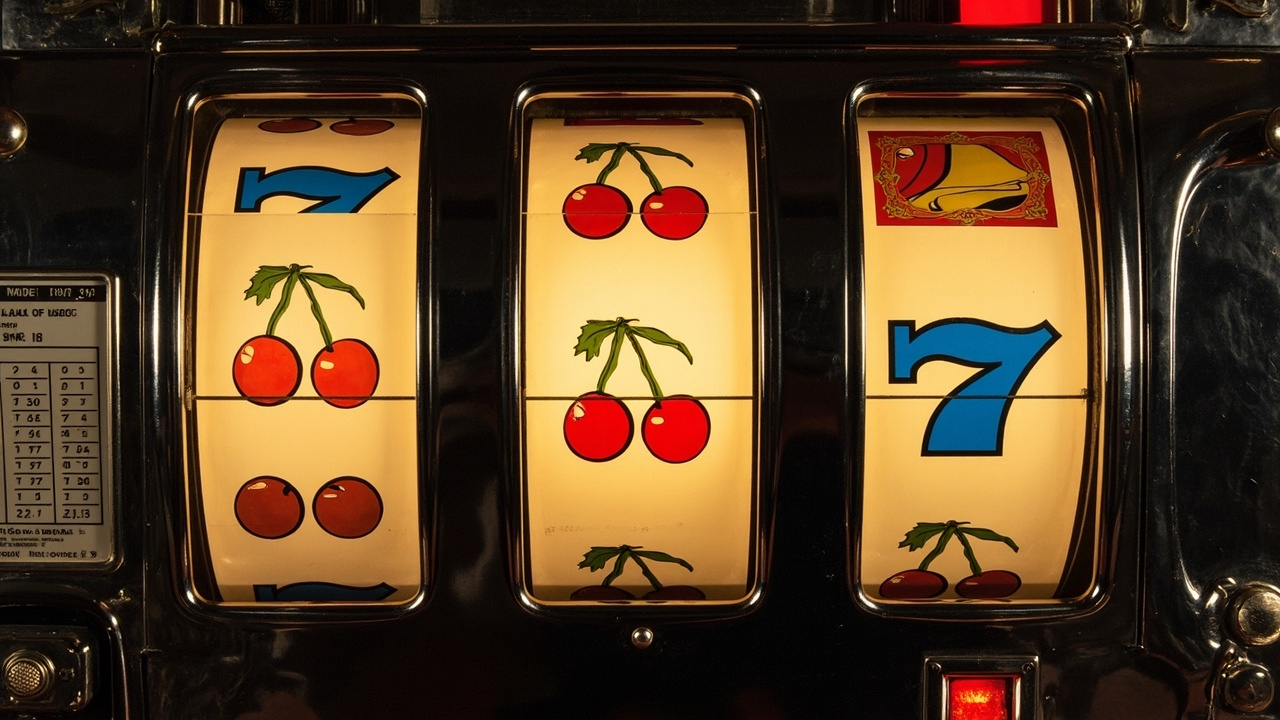
If you want a second read on card payouts from a different market angle, this piece on card withdrawal routing covers how the refund path behaves in practice.
The ongoing value after a welcome offer matters more than the first deposit. Look for recurring promos that actually drop into your account without a hunt, cashback that lands on a regular cycle, and a loyalty or VIP tier that recognises repeat play rather than just big single bets. Tournaments can add a reason to return during quiet weeks, but only if the buy-in and prize pool are clear. A site that keeps the cashier simple and lets you switch between Visa and Mastercard without re-verifying each time is easier to live with over months, not just the first session.
Pick the card your bank does not block, use it for deposits, and plan a faster withdrawal rail for the money you want back. The brand on the logo matters less than whether your own bank lets the transaction through and how quickly the casino actually pays out once you are verified.